Who Designs the Future? Women, Creativity & the Rise of AI
/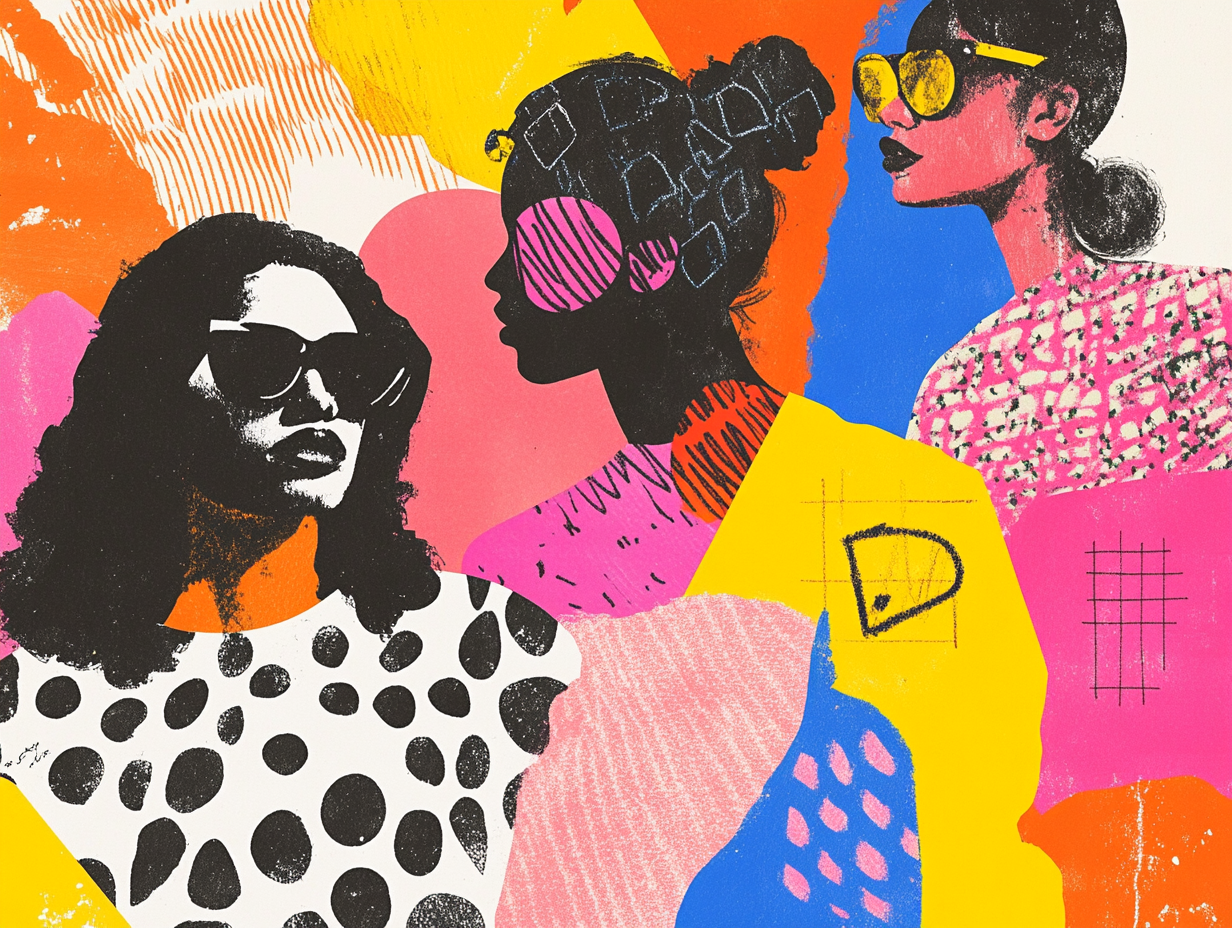
digital collage by ladies who design
Design Isn’t Just a Practice, It’s a Perspective
When people search "women in design" or "ladies design," they aren't just looking for portfolios. They're seeking proof that women are shaping the future of design and wondering how to find community, resources, and mentorship from other female creatives.
The answer is simple: We're already here. We've always been here.
From visual storytelling to strategic thinking, women in design aren't just executing ideas. We're redefining systems, blending aesthetics with activism, and now integrating emerging technologies like ChatGPT into our creative workflows without compromising our values.
This post explores why visibility matters for women designers, how AI tools fit into feminist creative practice, and where you can connect with other female creatives building the future of design.
Ladies Who Design: Beyond the Mood Board
Women have long used design as a tool for transformation—through branding, zines, digital art, and community-building. Yet despite our impact, we're often invisible in search results, design award lists, and industry conversations about "who designs the future."
That's why initiatives like Ladies Who Design exist: to reframe the question and make the answer visible.
✨ What “Ladies Design” Really Means:
We design with care and intention.
We bring cultural context into every composition.
We never separate creativity from conscience.
Women designers approach projects differently because we understand that design decisions have real consequences for real people. Our work reflects that responsibility.
Looking to connect with more women creatives? Browse curated directories like Ladies Who Design and discover how women across disciplines are designing with purpose.
Why Women Designers Are Embracing ChatGPT (And How We’re Doing It Differently)
Curious about how AI fits into feminist or values-driven design? You’re not alone. Searches for “how to use ChatGPT for design strategy” are growing and for good reason.
💡 Here's how women in design are using ChatGPT strategically:
1. Cultural Research Without Eurocentric Bias
Instead of relying on design education that centers Western aesthetics, use ChatGPT to research visual traditions from marginalized communities. Ask it to compile information on Indigenous design practices, Afrofuturist color theory, or queer visual history—then verify sources and dig deeper.
2. Strategic Brainstorming That Respects Your Energy
From brand voice ideas to campaign taglines, ChatGPT can generate concept directions when you're stuck. This doesn't replace your creative judgment—it just means you're not starting from a blank page when your energy is already depleted by unpaid emotional labor.
3. Content Support That Reduces Imposter Syndrome
Whether it's About pages, project descriptions, or client proposals, ChatGPT reduces the anxiety of the blank page. Draft your ideas, let AI structure them, then edit in your voice. This is especially valuable for women who've been socialized to downplay their expertise.
4. SEO Strategy Without a Full Marketing Team
Generate keyword lists and blog outlines to boost your visibility without hiring expensive consultants. For many women designers running solo practices, this levels the playing field against agencies with full marketing budgets.
5. Boundary-Setting Communication
Use ChatGPT to draft professional emails about scope creep, late payments, or problematic client feedback. Women are often penalized for being "too direct" or "not collaborative enough"—AI can help you find language that's both firm and diplomatic.
📘 Dive deeper: How I Use ChatGPT for Creative Strategy
Why Visibility Matters for Women in Design
Despite thousands of monthly searches for "women in design" and "female designers," few resources consistently uplift the real stories, struggles, and strategies of women creatives.
This invisibility isn't accidental. It's the result of industry gatekeeping, algorithmic bias, and the reality that women—especially women of color, queer women, and disabled women—are systematically excluded from design history, awards, and speaker lineups.
You can help shift that:
Share the work of women designers you admire on social media
Use and follow hashtags like #LadiesWhoDesign, #WomenInDesign, #FeministDesign
Recommend women for speaking opportunities, awards, and collaborations
Build your own visibility through blogging, portfolio updates, and thought leadership
Support platforms and communities that center women's voices in design
Every time you make your work visible through a Squarespace portfolio, a blog post, a case study, or a social media post, you're rewriting the answer to "who designs the future?"
👩💻 Final Thoughts: Building Community Over Competition
One of the most powerful things about women in design is how we show up for each other. Instead of scarcity mindset and competition, many of us are building networks of mutual support, skill-sharing, and collaboration.
Ways to connect with other women designers:
Join directories like Ladies Who Design
Participate in online communities focused on feminist design practice
Attend virtual or local meetups for women creatives
Share resources, tools, and opportunities with your network
Mentor emerging designers who remind you of your younger self
Design doesn't have to be a lonely hustle. The more we connect, the stronger our collective impact becomes.
You Belong in the Design Conversation
Search engines don't always show the full picture of who's shaping design culture. But with every post, project, and platform we build, we rewrite that narrative.
Women in design are using AI tools strategically, centering cultural storytelling, building sustainable practices, and refusing to separate creativity from values. We're not waiting for permission to lead—we're already doing it.
Your next steps:
Update your Squarespace portfolio to reflect your current work and perspective
Experiment with one ChatGPT prompt from this post to see how AI tools can support (not replace) your creative process
Connect with at least one other woman designer this week—share resources, ask questions, build relationships
Make your work more visible through blogging, case studies, or social media
The future of design isn't coming. We're building it right now.
You Might Also Like:
10 Ways to Use ChatGPT for Design Efficiency